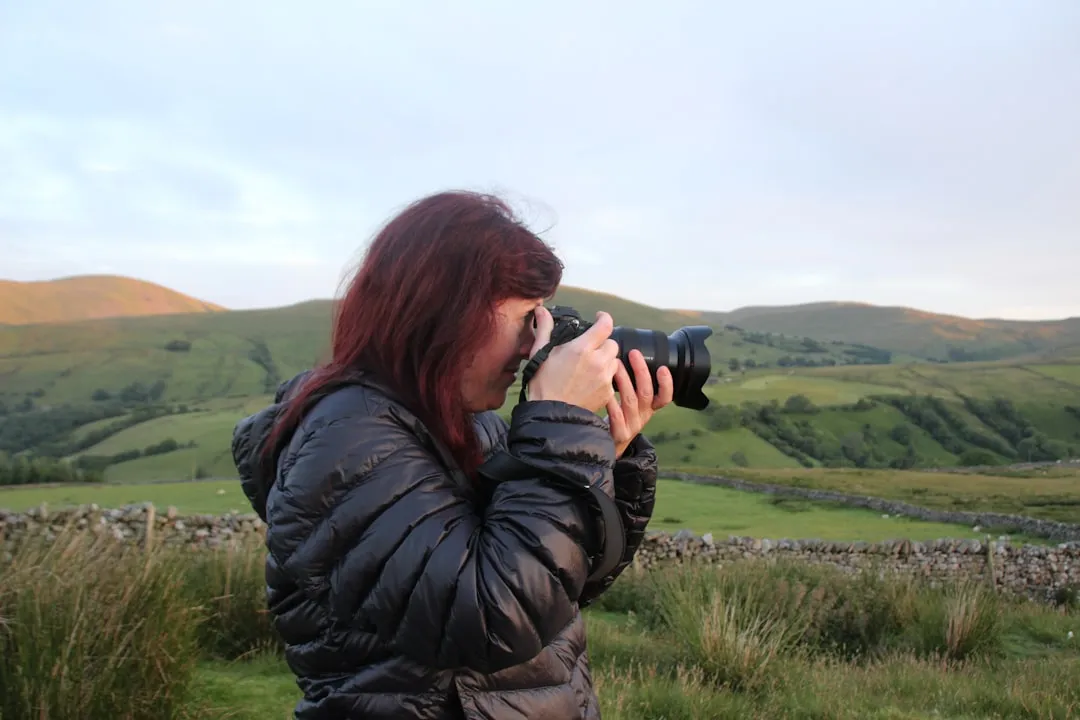
Here we are, fellow enthusiasts of the wild and the winged! We’ve embarked on this incredible journey of capturing the ephemeral beauty of nature through our lenses. It’s a passion that connects us to the earth, to the intricate dance of life unfolding around us, and to the sheer joy of freezing a fleeting moment in time. We know the thrill of spotting that rare bird, the patience required to wait for the perfect light, and the immense satisfaction of bringing a slice of the wild into our homes through our photographs.
But let’s be honest, it’s not always easy, is it? The subjects we chase are elusive, the conditions can be challenging, and sometimes, despite our best efforts, our images don’t quite capture the magic we witnessed. That’s why, over time, through countless outings, shared experiences, and perhaps a few missed shots that still sting, we’ve gathered some invaluable insights. We’ve learned from our mistakes, celebrated our successes, and continuously refined our approach. Today, we want to share some of these hard-won lessons with you, our comrades in the field. Consider this our collective wisdom, a guide to help you elevate your bird and wildlife photography from good to breathtaking.
Before we even think about camera settings or gear, the most crucial step in our wildlife photography journey is understanding our subjects. This isn’t just about knowing what a robin looks like; it’s about delving deeper into their world. It’s about becoming students of the wild, observing their behaviors, understanding their habitats, and anticipating their movements. This knowledge is the bedrock upon which stunning images are built.
Studiul Comportamentului Păsărilor și Animalelor
We’ve found that the more we learn about why a bird is where it is, or what an animal is doing, the better equipped we are to photograph it. This means spending time observing, not just with our cameras, but with our eyes and our minds.
Observarea Rutinelor Zilnice
Understanding daily routines is paramount. Are they most active at dawn or dusk? Where do they go to feed? Where do they rest? For instance, knowing that a particular species of owl hunts primarily at night, or that deer are most likely to emerge from the woods to graze in the early morning, allows us to plan our expeditions strategically. We don’t just stumble upon these moments; we anticipate them.
Identificarea Habitatelor Preferate
Each species has its preferred environment. Knowing that a kingfisher needs proximity to water, or that a certain butterfly species thrives in meadows with specific wildflowers, helps us focus our efforts. We’ve learned to identify the subtle clues in the landscape that signal the presence of our intended subjects. This isn’t about randomly wandering; it’s about informed exploration.
Anticiparea Mișcărilor și Reacțiilor
This is where observation truly shines. Do they spook easily at sudden movements? Do they have a territory they defend? Learning to read their body language – the flick of a tail, the turn of a head, the posture of alert – can tell us what they might do next. This foresight allows us to position ourselves optimally and be ready to press the shutter at the decisive moment. We often find ourselves holding our breath, waiting for that subtle shift that signals an opportunity.
Cunoașterea Sezoanelor și a Ciclurilor de Viață
The natural world is in constant flux, and understanding these cycles is vital for capturing diverse and impactful images.
Perioadele de Cuibărit și Îngrijirea Puiilor
This is a particularly rewarding time for wildlife photography. The presence of young adds an element of tenderness and intense activity to our subjects. However, it also demands a heightened sense of responsibility. We must be extra cautious not to disturb nesting sites. We’ve learned to maintain a significant distance and use telephoto lenses to avoid stressing the parents or their offspring. Observing a parent feeding its young is a moment of pure connection, and capturing it respectfully is our highest priority.
Migrația Păsărilor
The grand spectacle of bird migration offers incredible photographic opportunities. Knowing when and where large flocks are likely to pass through can lead to some of our most dramatic shots. We meticulously research migration routes and timings, preparing for the influx of species that might only be around for a short period. The sheer scale of some migratory events is awe-inspiring, and translating that scale into a photograph is a challenge we relish.
Schimbările de Blană sau Penaj
The seasonal transformations of animals are fascinating. A fox’s winter coat is starkly different from its summer fur, and many birds undergo significant plumage changes between breeding and non-breeding seasons. Capturing these transformations adds a layer of depth to our portfolio. We make a point of returning to locations at different times of the year to document these natural shifts.
Echipamentul Potrivit: Un Partener de Încredere
While passion and knowledge are paramount, the right tools certainly make our jobs easier. We’ve learned that investing in suitable equipment, even gradually, can make a significant difference in the quality of our images and our ability to capture challenging subjects.
Alegerea Obiectivelor Fotografie
This is often where the most significant investment is made, and for good reason. For birds and wildlife, magnification is key.
Teleobiective Lungi și Super-Teleobiective
These are our workhorses. We’ve found that 300mm, 400mm, and even 600mm lenses are essential for getting close to shy subjects without disturbing them. The reach these lenses provide allows us to fill the frame with our subjects, creating impactful images. We’ve also learned that image stabilization is a godsend when shooting handheld at these focal lengths.
Zoom-uri Versatile
For general nature photography, or when we anticipate a variety of subjects at different distances, versatile zoom lenses like a 70-300mm or 100-400mm can be incredibly useful. They offer flexibility and reduce the need for constant lens changes in the field. We often use these for landscapes with wildlife elements.
Obiective Macro pentru Detalii
While not strictly for birds or large mammals, if our interest extends to insects, amphibians, or the intricate details of plants, a macro lens opens up a whole new world of photographic possibilities. The ability to capture the world at a 1:1 ratio is simply captivating.
Corpul Aparatului Foto: Viteză și Performanță
The camera body is the brain of our operation, and certain features can significantly enhance our wildlife photography experience.
Senzori cu Rezoluție Bună și ISO Performant
We prioritize cameras that can produce clean images even at higher ISO settings. This is crucial for shooting in low light conditions, which are common in dawn and dusk. A good megapixel count also allows for cropping without significant loss of detail.
Sisteme de Autofocus Rapide și Precise
When our subjects are constantly moving, a fast and accurate autofocus system is non-negotiable. We look for cameras with multiple focus points and advanced tracking capabilities. The ability to lock onto a moving subject and maintain focus is paramount for capturing sharp images of birds in flight or animals on the run.
Rata de Cadre pe Secundă (Burst Rate)
For capturing action sequences, a high burst rate is invaluable. This allows us to take multiple shots in rapid succession, increasing our chances of capturing that perfect moment of flight, a pounce, or a fleeting expression.
Accesorii Esențiale: Geanta, Trepiedul și Alte Utile
Beyond the camera and lenses, several accessories can dramatically improve our comfort and the quality of our shots.
Geanta Foto Confortabilă și Protecțioară
We spend a lot of time on our feet, so a comfortable, well-padded camera bag that can hold our gear securely is essential. It needs to protect our equipment from the elements and allow for easy access to our camera.
Trepied Stabil și Ușor
For longer exposures or when using heavy telephoto lenses, a sturdy tripod is crucial for sharpness. We look for lightweight but stable tripods that are easy to set up and adjust in the field. A good ball head or gimbal head is also a worthwhile investment.
Carduri de Memorie și Baterii Suplimentare
Never underestimate the need for ample storage and power. Running out of battery or memory card space in the middle of a prime shooting opportunity is a photographer’s worst nightmare. We always carry spares.
Stăpânirea Tehnicii: Reguli și Excepții

Once we have our gear and our knowledge in place, it’s time to translate that into stunning photographs. This involves mastering the technical aspects of photography, understanding how to use our camera’s settings to our advantage, and knowing when to bend the rules.
Găsirea Luminii Potrivite
Light is the painter’s brush, and in wildlife photography, it can make or break an image. We’ve learned to chase the light.
Lumina de Aur (Golden Hour)
The hours shortly after sunrise and before sunset offer soft, warm light that is incredibly flattering for both wildlife and landscapes. This is when we often achieve those beautiful, ethereal shots. We plan our outings to coincide with these magical times.
Lumina Difuză și Zilele Însorite
While direct sunlight can be harsh and create distracting shadows, overcast days or the shade of a forest canopy can provide soft, diffused light that is excellent for capturing detail and avoiding blown-out highlights. We’ve learned to embrace all types of light.
Evitarea Luminii Dure de la Amiază
Midday sun is generally our enemy. It’s harsh, casts strong shadows, and can make our subjects look flat. We often use this time for scouting, resting, or focusing on macro photography where harsh light might be less of an issue.
Controlul Expunerii pentru Detalii Optime
Achieving the right exposure is crucial for preserving detail in both the highlights and shadows of our images.
Utilizarea Modului Manual (M)
While aperture or shutter priority can be useful, we often find ourselves relying on full manual mode to have complete control over our exposure. This allows us to dial in the exact settings needed for the scene.
Importanța Diafragmei (Aperture)
We use aperture to control depth of field. A wide aperture (low f-number) creates a shallow depth of field, blurring the background and making our subject stand out. A narrower aperture (higher f-number) will keep more of the scene in focus, which can be useful for landscapes with wildlife.
Viteza Obturatorului (Shutter Speed) pentru Claritate
For freezing action, we need a fast shutter speed. For capturing motion blur, we use slower speeds. We’ve learned to find the sweet spot that conveys the intended feeling. For birds in flight, speeds of 1/1000th of a second or faster are often necessary.
ISO pentru Sensibilitatea la Lumină
As mentioned before, we aim for the lowest possible ISO to maintain image quality. However, when the light is low, we are prepared to increase our ISO, balancing the trade-off between noise and the ability to get a usable shot.
Autofocusul: Prietenul Nostru Cel Mai Bun în Mișcare
Capturing sharp images of moving subjects is a skill honed through practice and understanding autofocus modes.
Moduri de Autofocus Continuu (AI Servo / AF-C)
These modes are essential for tracking moving subjects. The camera continuously adjusts focus as the subject moves, which is invaluable for birds in flight or running animals. We’ve spent countless hours practicing with these modes.
Alegerea Punctelor de Focalizare
We’ve learned to select specific focus points or groups of points rather than letting the camera choose. This gives us more control over where the focus is placed, ensuring the subject’s eye is sharp, which is the most critical element.
Focalizarea pe Ochi
For portraits of wildlife, the eyes are the windows to the soul. We always strive to achieve sharp focus on the eye of our subject. This creates a connection with the viewer that is profound.
Compoziția și Povestea: Cum Spunem o Poveste Vizuală

Technical perfection is a great foundation, but it’s the composition and the story our images tell that truly resonate. We aim to create photographs that go beyond just documenting a subject; we want them to evoke emotion and convey a narrative.
Principiile de Compoziție Relevante
Understanding basic compositional rules, and then knowing when to break them, is key.
Regula Treimilor
Placing our subject off-center, along the intersecting lines of a grid divided into thirds, often creates a more dynamic and visually appealing image than centering the subject. We’ve found this to be a fundamental starting point.
Linii Directoare
Natural lines in the landscape – a river, a fence, a branch – can lead the viewer’s eye into the photograph and towards the subject. We actively look for these elements.
Spațiu Negativ
The empty areas in our frame are just as important as the subject itself. Strategic use of negative space can emphasize the subject and create a sense of scale or isolation.
Simetrie și Modele
Sometimes, the most striking compositions are found in symmetrical patterns or repeating shapes within nature. We’re always on the lookout for these visual harmonies.
Povestea pe Care o Spunem
Beyond the arrangement of elements, we think about what feeling or message we want to convey.
Capturarea Momentelor Autentice
The most powerful images are often those that capture a genuine moment of behavior or interaction. This could be a parent feeding its young, a territorial dispute, or a moment of quiet contemplation. We are patient observers, waiting for these genuine expressions of life.
Crearea unei Conexiuni cu Privitorul
We aim for our photographs to connect with the viewer on an emotional level. This can be achieved through the subject’s expression, the mood of the light, or the context of the scene. We want people to feel something when they look at our work.
Unitatea dintre Subiect și Mediu
Often, the most compelling images show the subject in its natural habitat, highlighting the symbiosis between them. This tells a broader story about the ecosystem. We don’t just isolate the bird; we show its world.
Unghiuri și Perspective Noi
Breaking away from the obvious can lead to unique and memorable photographs.
Fotografia de la Nivelul Solului
Getting down low, at the eye level of smaller creatures or when capturing a different perspective of larger animals, can create a much more intimate and engaging image. We’ve found that some of our most surprising shots come from this low vantage point.
Utilizarea Profunzimii pentru a Crea Atmosferă
Playing with depth of field, using foreground elements to frame the subject, or capturing a sense of distance can add layers of interest and atmosphere to our photographs.
Observarea de Sus (dacă este posibil)
While less common, in certain situations, a higher vantage point can offer a unique perspective, especially for capturing patterns or the vastness of a habitat.
Etica și Respectul față de Natură: Prioritățile Noastre
| Aspect | Sfaturi |
|---|---|
| 1 | Folosiți un obiectiv telefoto pentru a captura detalii minuțioase ale păsărilor și naturii sălbatice. |
| 2 | Stați liniștit și așteptați ca păsările să se apropie pentru a obține fotografii mai naturale și autentice. |
| 3 | Folosiți un trepied pentru a evita mișcările nedorite și pentru a obține imagini clare și precise. |
| 4 | Încercați să fotografiați în lumină naturală pentru a evidenția culorile și detaliile naturii sălbatice. |
| 5 | Fiți răbdători și observați comportamentul păsărilor pentru a anticipa momentele potrivite pentru fotografii unice. |
As photographers who venture into the wild, we carry a significant responsibility. Our pursuit of stunning images must never come at the expense of the well-being of the animals or their environment. This is not just a guideline; it’s a fundamental principle that guides every decision we make.
Minimizarea Impactului Asupra Subiectelor
Our primary goal is to observe and capture without causing distress or harm.
Păstrarea Distanței de Siguranță
We always maintain a respectful distance from wildlife. This distance is determined by the species’ temperament and its known stress thresholds. We use telephoto lenses to bridge the gap, not our presence.
Evitarea Perturbării Habitatului
We tread lightly, avoiding trampling delicate vegetation or disturbing nesting sites. We are guests in their home, and we behave as such. This means being mindful of our footsteps and our noise.
Nu Alimentați sau Atrageți Animalele
It is tempting to lure animals closer with food, but this can have detrimental effects on their natural behavior, diet, and health. We believe in capturing them as they are, in their natural environment.
Cunoașterea Legilor și Reglementărilor Locale
Different areas have different rules designed to protect wildlife and their habitats.
Respectarea Zonelor Protejate
We are meticulous about understanding and adhering to the regulations of national parks, nature reserves, and other protected areas. Ignorance is not an excuse.
Obținerea Permiselor Necesare
In some cases, special permits might be required for photography. We ensure we have all the necessary documentation before we begin shooting.
Promovarea Conservării Prin Fotografie
We believe our photographs can be powerful tools for raising awareness about conservation issues.
Educație și Conștientizare
We hope our images inspire others to appreciate and protect the natural world. By showcasing the beauty and fragility of wildlife, we aim to foster a sense of responsibility in our viewers.
Sprijinirea Organizațiilor de Conservare
When possible, we look for opportunities to use our photography to support the work of conservation organizations.
Evitarea „Turismului Fotografic” Iresponsabil
We actively discourage practices that exploit wildlife for profit or personal gain without regard for their welfare. We are stewards of nature, not exploiters.
Post-Procesarea și Distribuirea Imaginilor: Rafinarea și Partajarea Muncii Noastre
The journey doesn’t end when we press the shutter. Post-processing is an essential part of our workflow, allowing us to refine our images and bring out their full potential. And then, we want to share our passion with the world.
Tehnici de Editare pentru a Îmbunătăți Imaginile
We use editing software to enhance, not alter, the reality of the scene we captured.
Ajustarea Luminozității și Contrastului
We carefully adjust these parameters to ensure a balanced image with good tonal range. We aim for a natural look.
Corectarea Culorilor și a Balansului de Alb
Ensuring accurate and pleasing colors is important. We pay attention to how different light conditions affect the color temperature.
Claritate și Detaliu
We use sharpening tools judiciously to enhance the fine details of our subjects, especially the eyes.
Eliminarea Elementelor Deranjante
Sometimes, minor distractions like stray branches or sensor dust can detract from an otherwise great image. We remove these carefully.
Alegerea Platformelor de Distribuire
Sharing our work is a rewarding part of the process.
Rețele Sociale și Portofolii Online
These platforms allow us to connect with a wider audience and receive feedback. We choose platforms that showcase our work effectively.
Concursuri Fotografice
Participating in competitions can be a great way to get our work seen and gain recognition.
Publicații și Expoziții
For truly impactful images, we consider submitting them to nature magazines or local exhibitions to further promote conservation.
Importanța Feedback-ului și a Învățării Continue
We never stop learning. We actively seek constructive criticism to improve our skills.
Comentarii și Sugestii de la Alți Fotografi
Engaging with the photography community provides valuable insights and different perspectives.
Analiza Propriei Lucrări
Regularly reviewing our portfolio helps us identify areas for improvement and track our progress.
We hope these insights, born from our shared experiences in the wild, will empower you to capture even more stunning images of the natural world. Remember, patience, respect, and continuous learning are the cornerstones of exceptional bird and wildlife photography. So, grab your gear, head out into nature, and let your passion guide your lens. The wild is waiting to be discovered, one frame at a time.


